
The Complete Chef Hierarchy Guide: Kitchen Positions, Titles, and Career Paths
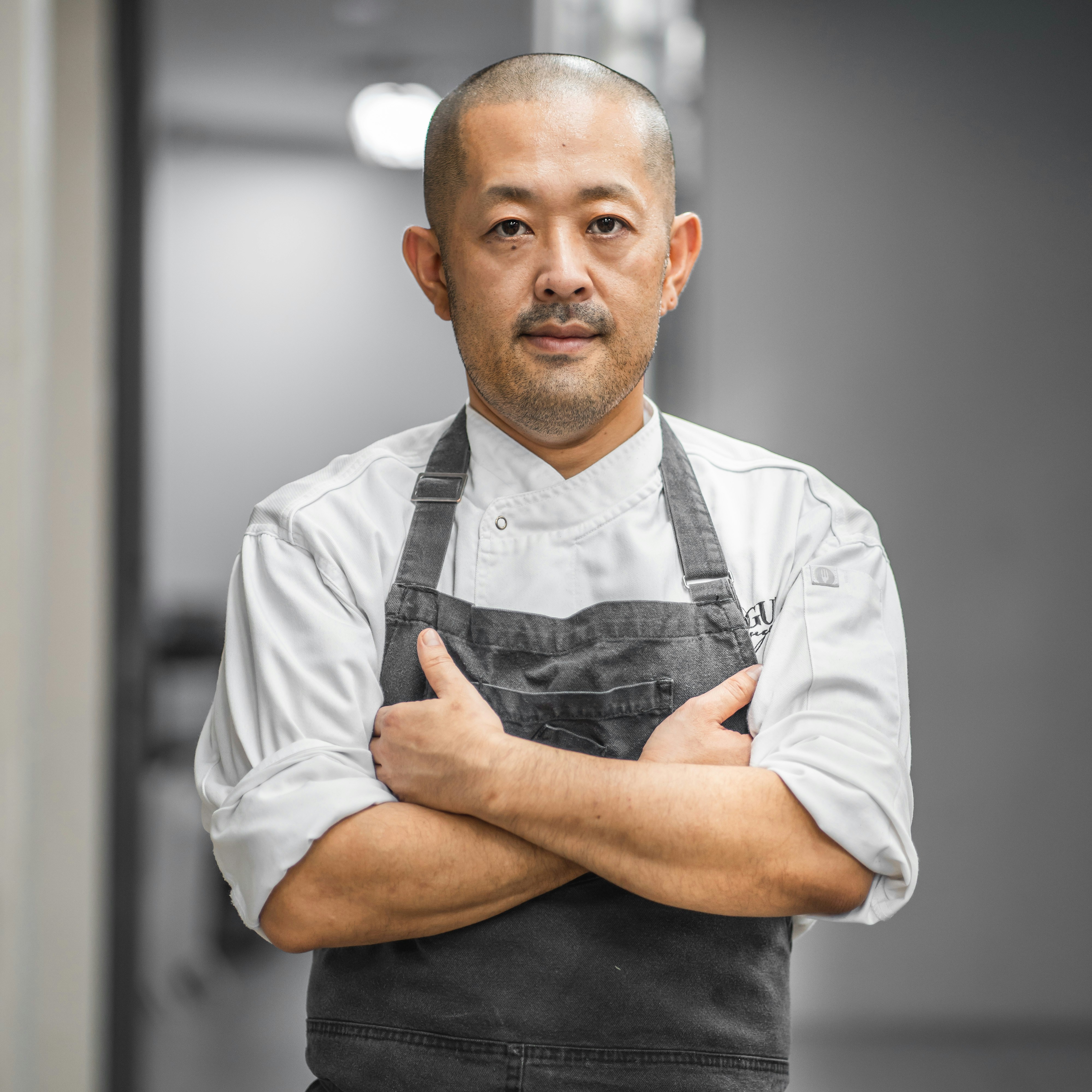
Understanding the traditional chef hierarchy is essential whether you’re crafting your culinary resume, planning your career advancement, or building a kitchen team. This comprehensive guide breaks down the brigade de cuisine system and modern chef titles to help you navigate the professional kitchen landscape.
What is the Chef Hierarchy?
The chef hierarchy, also known as the brigade de cuisine or kitchen brigade system, is a structured organizational model developed by Auguste Escoffier in the late 19th century. This system establishes clear roles, responsibilities, and career progression paths in professional kitchens worldwide.
Complete Kitchen Hierarchy: From Top to Bottom
1. Executive Chef (Chef de Cuisine)
Position Overview: The executive chef is the highest-ranking kitchen professional who oversees all culinary operations.
Key Responsibilities:
- Menu development and recipe creation
- Kitchen budget management and cost control
- Staff hiring, training, and performance management
- Quality control and food safety compliance
- Vendor relations and inventory oversight
Resume Tips: Highlight leadership experience, P&L management, menu innovation, and team development accomplishments.
Salary Range: $60,000-$120,000+ annually, depending on establishment type and location.
2. Sous Chef (Under Chef)
Position Overview: The sous chef serves as the executive chef’s second-in-command and manages daily kitchen operations.
Key Responsibilities:
- Supervising line cooks and kitchen staff
- Filling in for the executive chef when absent
- Scheduling and shift management
- Training new kitchen employees
- Maintaining kitchen standards and cleanliness
Resume Tips: Emphasize operational management skills, staff training experience, and ability to maintain consistency during high-volume service.
Career Path: Many sous chefs advance to executive chef positions within 3-5 years.
3. Chef de Partie (Station Chef/Line Cook)
Position Overview: Station chefs manage specific sections of the kitchen and are experts in their designated areas.
Common Station Chef Positions:
Saucier (Sauce Chef): Prepares sauces, stews, and sautéed items. Often considered the most prestigious station.
Poissonnier (Fish Chef): Handles all seafood dishes, from preparation to cooking.
Rôtisseur (Roast Chef): Responsible for roasted and braised meats.
Grillardin (Grill Chef): Manages all grilled items and may overlap with rôtisseur duties.
Friturier (Fry Chef): Prepares all fried foods.
Entremetier (Vegetable Chef): Handles vegetables, soups, starches, and eggs.
Pâtissier (Pastry Chef): Creates desserts, pastries, and baked goods. Often operates semi-independently.
Garde Manger (Pantry Chef): Prepares cold dishes, salads, appetizers, and food presentation.
Resume Tips: Specify your station expertise and highlight technical skills relevant to your specialty.
4. Commis Chef (Junior Chef)
Position Overview: Entry-level trained chefs who work under chef de partie to learn specific stations.
Key Responsibilities:
- Assisting station chefs with prep work
- Learning proper techniques and recipes
- Maintaining cleanliness at assigned stations
- Following recipes and kitchen protocols
Resume Tips: Focus on culinary education, eagerness to learn, and any specialized training or certifications.
Career Development: Typically 1-2 years before advancing to chef de partie.
5. Kitchen Porter/Dishwasher
Position Overview: Essential support staff responsible for cleanliness and basic food preparation.
Key Responsibilities:
- Washing dishes, pots, and kitchen equipment
- Maintaining kitchen cleanliness
- Basic food prep and ingredient organization
- Waste management
Modern Chef Titles and Specialized Positions
Head Chef vs. Executive Chef
While often used interchangeably, head chef typically refers to the top chef in smaller establishments, while executive chef is used in larger operations with multiple kitchens or locations.
Corporate Executive Chef
Oversees culinary operations across multiple restaurant locations or hotel properties. Focuses on brand consistency, menu standardization, and regional management.
Personal Chef vs. Private Chef
Personal Chef: Prepares meals for multiple clients, usually in their homes.
Private Chef: Works exclusively for one household or individual.
Research and Development Chef
Creates new menu items and tests recipes for restaurant chains or food manufacturers. Essential for brands looking to innovate.
How to Advance Your Chef Career
Building Your Culinary Resume
When crafting your chef resume, include:
- Professional summary highlighting years of experience and specializations
- Technical skills including cuisine types, cooking techniques, and equipment expertise
- Certifications such as ServSafe, HACCP, or culinary degrees
- Measurable achievements like cost reductions, menu launches, or awards
- Kitchen management experience including team size and budget responsibility
Essential Skills for Career Advancement
Technical Skills:
- Knife skills and food preparation techniques
- Menu planning and recipe development
- Food costing and inventory management
- Food safety and sanitation standards
Soft Skills:
- Leadership and team management
- Communication and conflict resolution
- Time management and multitasking
- Creativity and innovation
Certifications That Enhance Your Resume
- Culinary Arts Degree or Diploma
- ServSafe Food Handler/Manager Certification
- ACF (American Culinary Federation) Certification
- Specialized certifications (sommelier, butchery, pastry)
Salary Expectations by Position
Entry Level (Commis Chef): $25,000-$35,000
Line Cook/Chef de Partie: $30,000-$50,000
Sous Chef: $40,000-$65,000
Executive Chef: $60,000-$120,000+
Corporate Executive Chef: $80,000-$150,000+
Note: Salaries vary significantly based on location, establishment type, and experience level.
Tips for Job Seekers in Culinary Positions
Crafting Your Chef Resume
- Use action verbs: “Managed,” “Developed,” “Reduced,” “Implemented”
- Quantify achievements: “Reduced food costs by 15%,” “Managed team of 12 cooks”
- Tailor to the position: Emphasize relevant experience for the specific role
- Include keywords: Use industry terminology that matches job descriptions
- Showcase versatility: Highlight experience across multiple cuisines or stations
Interview Preparation
- Research the establishment’s cuisine and concept
- Prepare to discuss your culinary philosophy
- Be ready to describe signature dishes you’ve created
- Demonstrate knowledge of current food trends
- Bring portfolio photos of your plated dishes
The Future of Kitchen Hierarchy
While the traditional brigade system remains the foundation of professional kitchens, modern establishments are adapting:
- Flatter hierarchies in smaller, casual restaurants
- Cross-training across multiple stations for flexibility
- Specialized roles for dietary restrictions and sustainability
- Technology integration for inventory and recipe management
Conclusion
Understanding the chef hierarchy is crucial for career planning and professional development in the culinary industry. Whether you’re writing your first chef resume as a commis or updating your credentials as an executive chef, knowing where you fit in the brigade system helps you communicate your value to potential employers.
The path from kitchen porter to executive chef requires dedication, continuous learning, and mastery of both culinary skills and leadership abilities. Use this guide to identify your current position, understand the next steps in your career, and craft a compelling resume that showcases your unique qualifications in the competitive culinary job market.
Ready to advance your culinary career? Focus on developing both your technical cooking skills and leadership abilities, seek mentorship from experienced chefs, and continuously update your resume with new achievements and certifications.